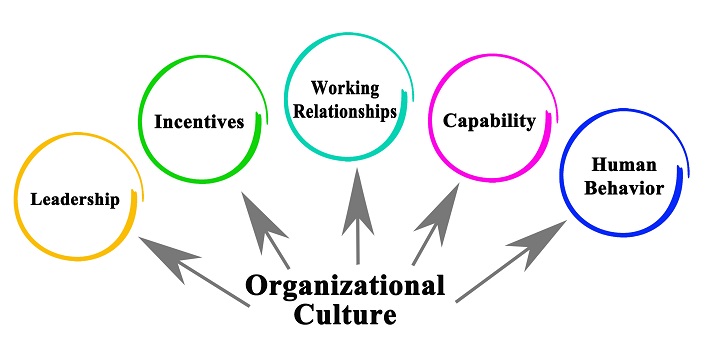
Organizational culture refers to how employees view their workplace environment through shared beliefs, values, and norms (Demissie & Egziabher, 2022; Farrell, 2018). Additionally, Organizational culture can be described as the “glue” that binds employees together and can create an environment where employees feel connected to the organization (Black et al., 2019; Farrell, 2018).
Survey
For organizations to be successful leaders must create an environment that promotes a positive working environment for their employees. While leaders cannot control their organizational culture, they do have the ability to incorporate strategies that promote a positive working environment for their employees (Farrell, 2018). One way organization leaders can assess their culture is through organization-wide surveys (Farrell, 2018). A survey was conducted by the author to ascertain how employees viewed their organizations culture. The survey participants included various occupations that included police officers, educators, and medical workers. The survey focused on the employee’s perception of organization happiness, their perceptions and job attitudes, and their organizations support for their stress and well-being.
All items use a 5-point Likert scale.
1 = Strongly Disagree | 2 = Disagree | 3 = Neutral | 4 = Agree | 5 = Strongly Agree
- I feel happy when I am at work.
1-Strongly Disagree | 2-Disagree | 3-Neutral | 4-Agree | 5-Strongly Agree
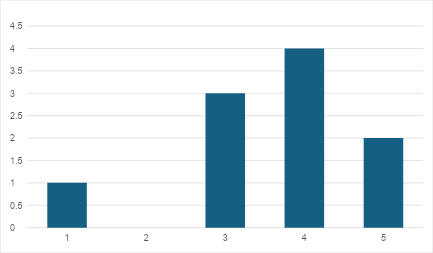
- The environment within my workplace is positive.
1-Strongly Disagree | 2-Disagree | 3-Neutral | 4-Agree | 5-Strongly Agree

- People within my organization treat each other with respect.
1-Strongly Disagree | 2-Disagree | 3-Neutral | 4-Agree | 5-Strongly Agree
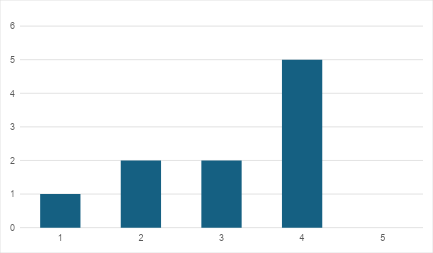
- I feel the work I do is appreciated by my organization.
1-Strongly Disagree | 2-Disagree | 3-Neutral | 4-Agree | 5-Strongly Agree
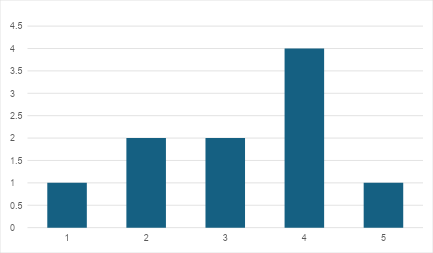
- My organization has high morale.
1-Strongly Disagree | 2-Disagree | 3-Neutral | 4-Agree | 5-Strongly Agree
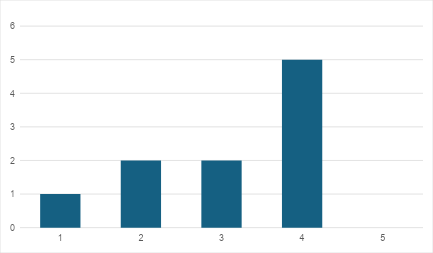
- The work I conduct is meaningful and rewarding.
1-Strongly Disagree | 2-Disagree | 3-Neutral | 4-Agree | 5-Strongly Agree
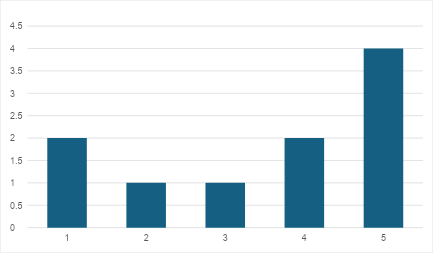
- There are clear systems of communication between management and employees.
1-Strongly Disagree | 2-Disagree | 3-Neutral | 4-Agree | 5-Strongly Agree
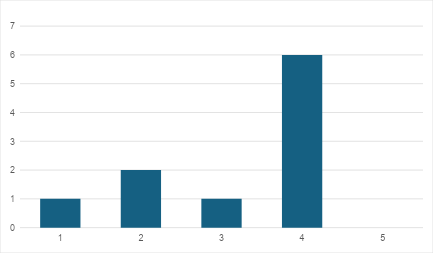
- The organization provides constructive feedback to help me improve.
1-Strongly Disagree | 2-Disagree | 3-Neutral | 4-Agree | 5-Strongly Agree
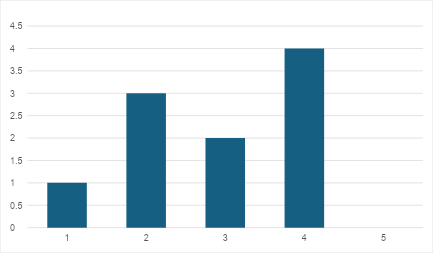
- My organization incorporates systems that provide employees a healthy work–life balance.
1-Strongly Disagree | 2-Disagree | 3-Neutral | 4-Agree | 5-Strongly Agree
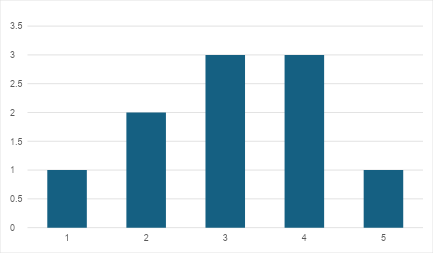
- The organization provides resources that help reduce or manage work-related stress.
1-Strongly Disagree | 2-Disagree | 3-Neutral | 4-Agree | 5-Strongly Agree

Survey Analysis
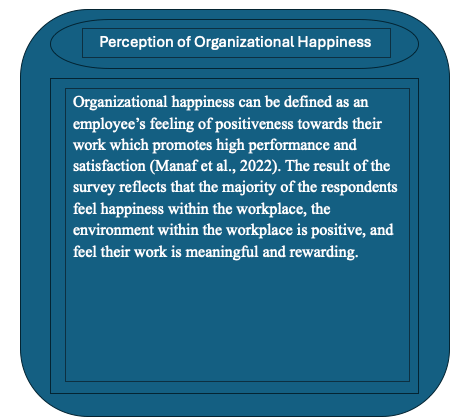
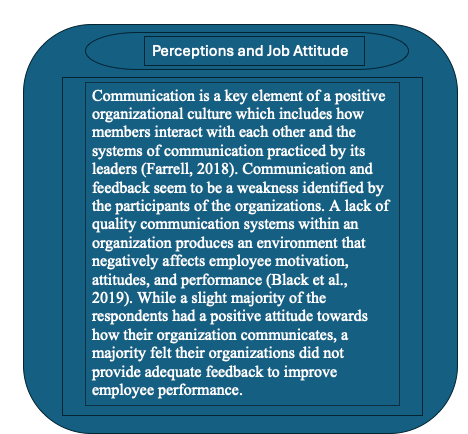
Demissie & Egziabher (2022) explain that no two organizational cultures are the same. The results indicate the disparity between the participants perceptions of their organizational culture. There is an interesting dichotomy between how the participants feel positively about their organization and their work is meaningful (questions 1, 2, and 6) and how they perceive specific organizational support strategies (3, 4, 5, and 7-10).

HRM-Organizational Culture https://www.tutorialspoint.com/human_resource_management/human_resource_management_organizational_culture.htm
Best Practices
There are several ways that leaders can incorporate positive strategies to ensure they provide their employees a positive culture to be a part of. One strategy is to ensure there are clear lines of communications throughout the organization and feedback mechanisms are in place that flow throughout all organization levels. A key way leaders can ensure employees have a shared understanding of the organizations culture is through its mission, vision, and core values (Farrell, 2018). Another way in which organizational leaders can shape a positive culture in through their actions. Farrell (2018) explains that it takes more than talk to show employees what characteristics leaders expect a positive organizational culture to encompass. Finally, incorporating strategies that create a compassionate and empathetic organizational culture. As illustrated by survey participants low rated assessments for their organizations support for managing work-related stress, providing resources that account for this is important(Guo & Zhu, 2022). Providing counseling services, financial support, and leave banks are intentional supports that can show all employees that the organization truly cares about them.
Conclusion
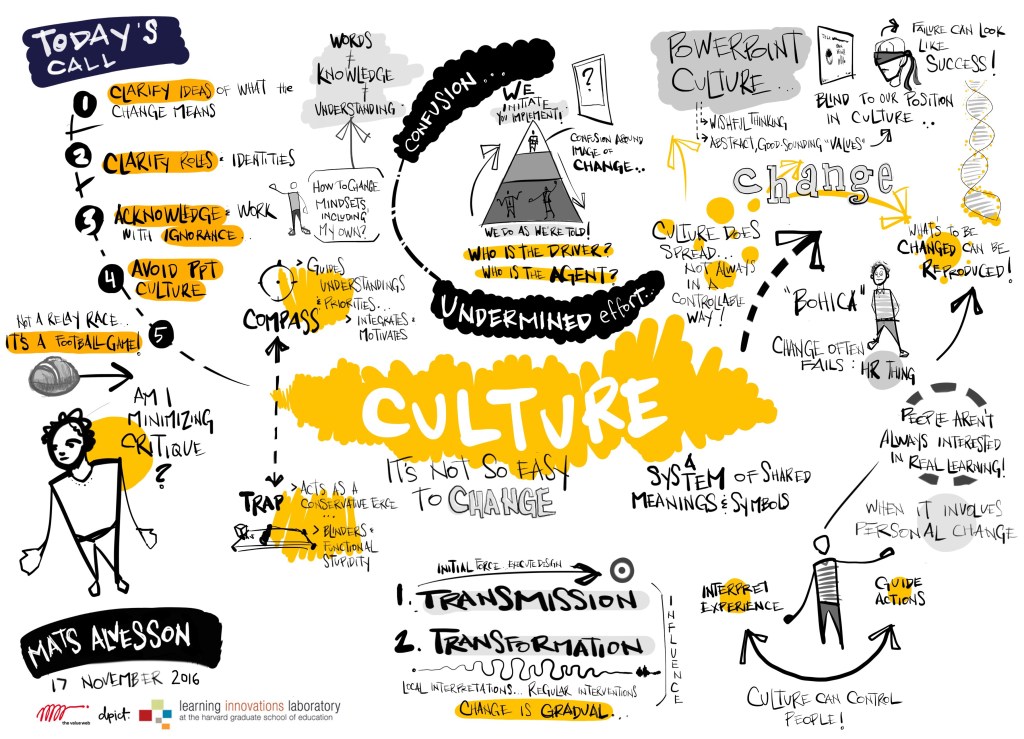
The survey results indicated the perceptions of the participants assessment of their organizational culture. It was somewhat surprising to see that all questions had at least one respondent who evaluated their organization as strongly disagreeing. Additionally, question three was somewhat concerning as there was no majority of respondents who felt there was a positive culture of respect among employees within their organziaitons. Overall, the survey illustrates the importance of leaders within organizations incorporating mechanisms where they can receive feedback on their employee’s perception of their organizations culture. In this way, leaders can address shortcomings to ensure they provide their employees a positive organizational culture.
Changing Organizational Culture is Hard! by Mats Alvesson https://www.learninginnovationslab.org/changing-organizational-culture-is-hard-by-mats-alvesson/
Reference
Black, J. S., Bright, D. S., Gardner, D., G., Hartmann, E., Lambert, J., Leduc, L., M., Leopold, J., O’Rourke, J., S., Pierce, J., L., Steers, R., M., Terjesen, S., & Weiss, J. (2019). Organization Behavior. Rice. https://openstax.org/books/organizational-behavior/pages/1-introduction
Demissie, D., & Egziabher, F. G. (2022). An investigation of organizational culture of higher education: The case of hawassa university. Education Research International, 2022, 1–14. https://doi.org/10.1155/2022/1222779
Farrell, M. (2018). Leadership Reflections: Organizational culture. Journal of Library Administration, 58(8), 861–872. https://doi.org/10.1080/01930826.2018.1516949
Guo, Y., & Zhu, Y. (2022). How does organizational compassion motivate employee innovative behavior: A cross-level mediation model. Psychological Reports, 125(6), 3162–3182. https://doi.org/10.1177/00332941211037598
Hennessey, J. (2023, December 14). Shaping organizational culture. Make every team member build success. [Video]. Youtube. https://www.youtube.com/watch?v=TUzuXc-xpp8
Manaf, A. M. A., Tengku Azzman, T. S. A., & Idid, S. A. (2022). Unravelling the roles of social media usage, individual well-being, and working environment on happiness at the workplace. Intellectual Discourse, 30(2), 395–417. Academic Search Complete. https://doi.org/10.31436/id.v30i2.1917
The happiness index. (2023, June 1). The importance of organizational culture. [Video]. Youtube. https://www.youtube.com/watch?v=ZYyCohscx5Q
 Chris Menton